“What is artificial intelligence?” is one of the most searched questions in the digital era. Artificial intelligence (AI) is changing the lives of people, their work, their communication, and how they solve problems. From virtual assistants and recommendation systems to self-driving vehicles and medical diagnostics, AI is now a part of everyday life.
It is important that students, professionals, business owners, and all those who are interested in technology understand what artificial intelligence is and how it works. With the ongoing evolution of AI, there are new possibilities for each sector of the economy, yet it is also sparking essential conversations regarding ethics, privacy, and the job market of tomorrow.
This guide covers the definition of artificial intelligence, its workings, various types, applications, advantages, challenges, and future prospects of artificial intelligence.
What is Artificial Intelligence?
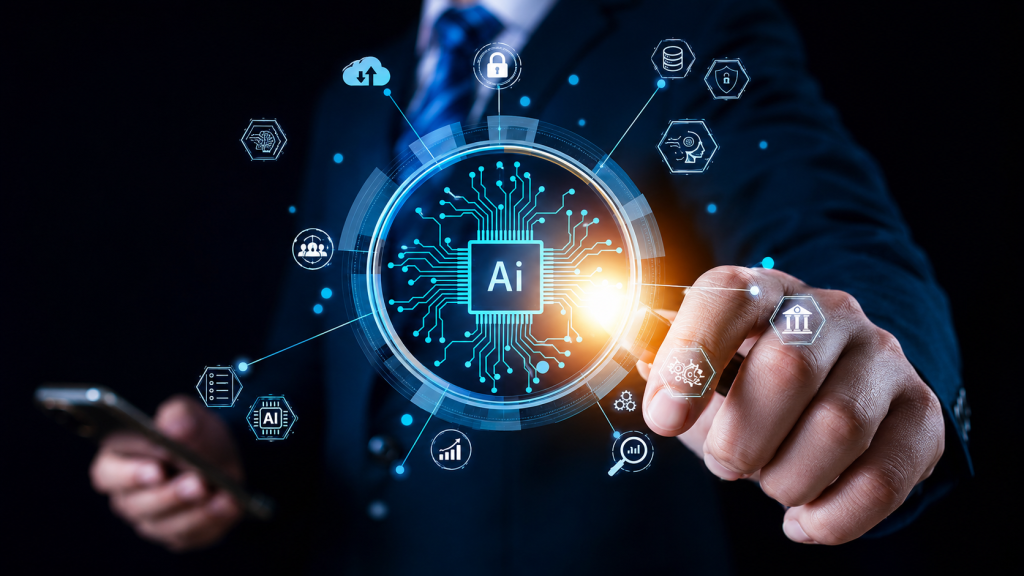
So, if you ever wondered what is artificial intelligence is, the easiest way to define it is that it’s a field of computer science that aims to develop systems capable of tasks that would have required human intelligence in their performance.
These tasks include:
- Learning from data
- Identification of speech and images
- Understanding natural language
- Solving problems
- Making decisions
- Identifying patterns
- Predicting outcomes
AI systems are unlike traditional computer programs that run on a set of deterministic instructions; they can learn to function better by analyzing data and discovering patterns over time.
What are the Inner Workings of AI?
The best way to understand what artificial intelligence is is to know how AI systems work.
AI operates by processing vast amounts of data, employing sophisticated algorithms and computational resources. These systems process information, identify patterns, and apply the knowledge gained to make predictions or decisions.
The general steps of the basic AI process are:
Data Collection
To learn, AI systems need data. This data may be text, photos, videos, numbers, sound recordings, or sensor data.
Data Processing
The data is then cleaned, structured, and put into a specific format that allows the AI system to process it correctly.
Machine Learning
One of the most used AI applications is machine learning. All the rules are not programmed into the system, but rather the system learns from examples and improves as it receives more information.
Pattern Recognition
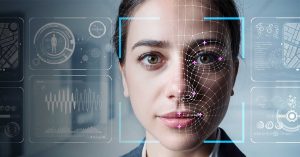
The AI can be used to find connections and patterns in the data, which can be leveraged to identify faces, understand speech, detect fraud, or even suggest products.
Decision-Making
Using the information it has learned, the AI generates predictions, recommendations or actions to complete specific tasks.
What are the Primary types of AI?
It helps to know the various types of AI when talking about what is artificial intelligence.
Narrow AI
Also known as Weak AI, Narrow AI is designed to perform a specific task. These include voice assistants, recommendation systems, spam filters, and language translators.
General AI
In General AI, it is a theoretical kind of AI that can do anything that people can do. This is a level of AI that hasn’t been reached yet.
Superintelligent AI
Superintelligent AI is a theoretical term for AIs that would outsmart humans in every aspect. As yet, it is not a reality; it’s a research and discussion point.
Which Technologies are Fuels for Artificial Intelligence?
There are at least a few technologies that are essential to artificial intelligence.
Machine Learning
Machine learning allows computers to learn from data, without hard-coding them for every scenario.
Deep Learning
Deep learning is a type of AI that involves complex data, like speech, images, and videos, and uses information from multiple layers of artificial neural networks.
Natural Language Processing (NLP)
With NLP, AI can comprehend, analyze, and create human speech, enabling chatbots and virtual assistants.NLP helps AI systems understand, analyze, and generate human language, making chatbots and virtual assistants possible.
Computer Vision
Computer vision has the potential to make machines able to recognize and analyze visual information from photographs, videos, and cameras.
Robotics
AI-powered robots can perform physical tasks in industries such as manufacturing, healthcare, and logistics.
What is the use of Artificial Intelligence?
Real-world applications make it easier to understand what artificial intelligence is.
Healthcare
GPs can use AI to analyze medical images, facilitate diagnosis, aid in drug development, and customise treatment strategies.
Finance
In the financial sector, AI is employed for fraud detection, credit risk analysis, customer service automation, and market trend analysis by banks and financial institutions.
Retail
AI-driven product recommendations, inventory management, demand prediction, and customer experience optimization are some of how artificial intelligence is helping retailers.
Transportation
AI’s role in route optimization, traffic forecasting, and advanced driver-assistance systems (ADAS) is a major area of application.
Education
AI is implemented in educational platforms to tailor learning experiences, automate grading, and offer intelligent tutoring.
Manufacturing
AI is also being applied in manufacturing for predictive maintenance, quality control, manufacturing scheduling and automation.
What are the Advantages of Artificial Intelligence?
To learn about what AI is also to know the benefits of AI.
Increased Efficiency
Artificial Intelligence automates repetitive duties, which enables employees to work on more strategic tasks.
Better Decision-Making
AI can process large volumes of data rapidly, aiding in the decision-making process within business and operations.
Improved Accuracy
AI can minimize various kinds of human error, especially during data analysis and repetitive tasks.
Enhanced Customer Experience
AI chatbots and recommendation systems offer businesses quick, highly customized customer support.
Innovation
AI can create new products, services, and business models that could not have existed otherwise.
What are the Problems with AI?
While AI has numerous benefits, there are also some challenges.
Privacy Concerns
The use of large datasets is a common issue with AI systems, prompting questions about data collection, storage, and usage.
Bias
AI systems can generate biased or incorrect results when training data is biased.
Job Displacement
Some roles will become automated, and workers will need to acquire new skills to meet the changing needs of technology.
Security Risks
If not managed correctly, AI systems can be targets of cyberattacks or misused for harmful purposes.
Ethical Considerations
AI has to be used responsibly, with transparency and accountability in decision-making processes, and ensuring fairness.
So what will be the Future of AI?
Look for further innovations in various sectors as the future of AI unfolds.
Emerging trends include:
- Smarter virtual assistants
- AI-assisted healthcare
- Autonomous transportation
- Advanced robotics
- Personalized education
- Sustainable energy management
- Predictive analytics
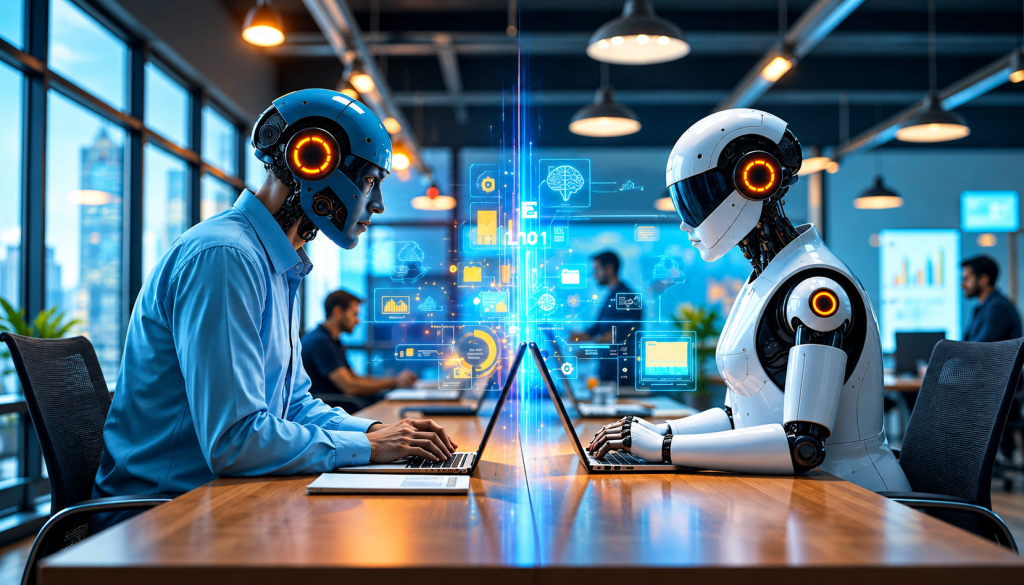
- Human-AI collaboration
With the continuous development of technology, artificial intelligence is expected to play an increasingly central role in everyday life and will continue to be part of the debate around ethics and regulations.
Conclusion
In today’s tech-savvy world, grasping the concept of what is artificial intelligence is gaining significance. AI is a highly impactful area of computer science that empowers machines to learn, reason, solve problems, and make decisions.
The applications of AI technology span across a wide range of fields, including healthcare, finance, education, and transportation, where it is enhancing efficiency, sparking innovation, and opening up fresh opportunities. But the responsible development and conscious utilization of AI are vital to tackle concerns over privacy, bias, and security.
With the ongoing progress of AI, people and organizations that are knowledgeable about its potential and constraints will be better equipped to navigate the future.